Fishing Rods for Carp: Features, Tips, and Top Picks for Success
Carp fishing rods hold a critical position in the complete achievement of an angling experience. Their design features various elements tailored to different techniques and environments. Elements such as length, material, and action ratings can substantially influence performance. Understanding these factors is vital for any angler looking to develop their skills. As one investigates the nuances of carp rods, questions about specific characteristics and top brands will inevitably surface.
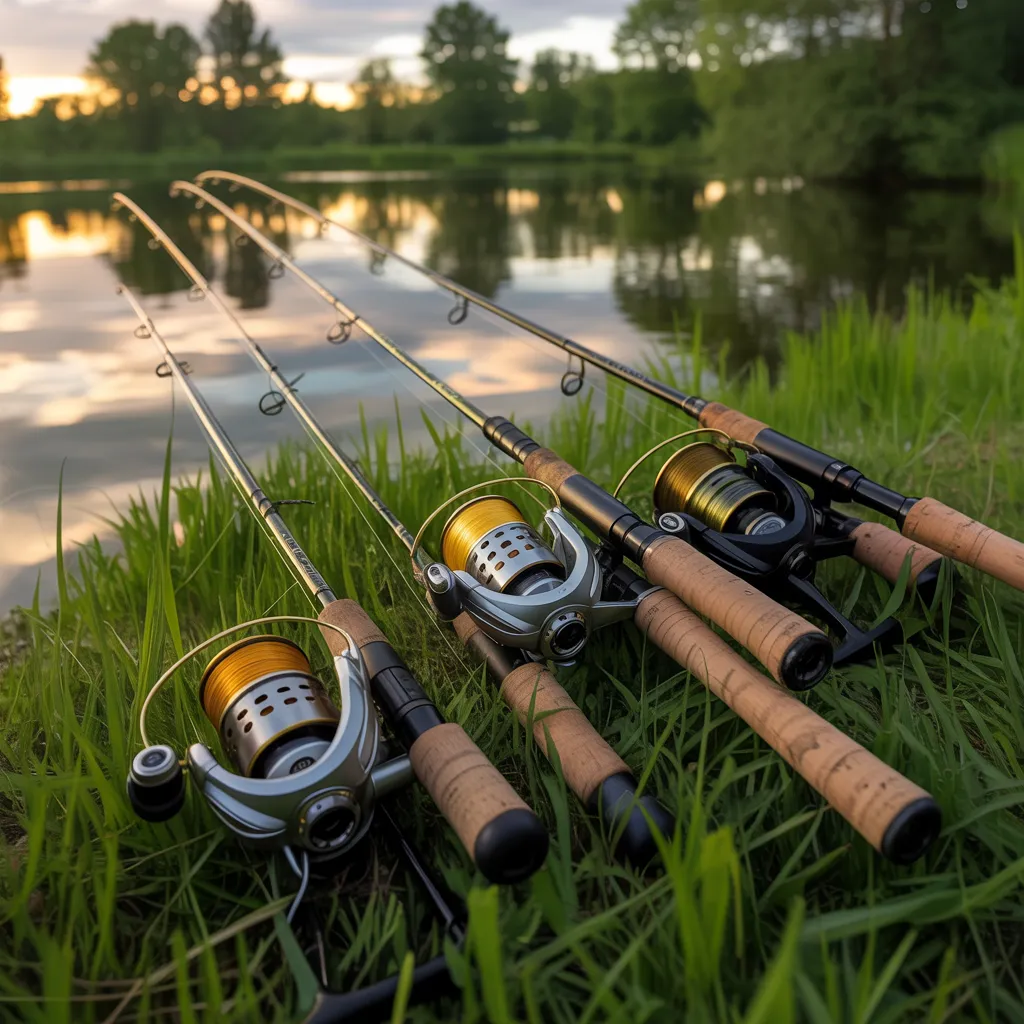
Essential Features to Consider in Carp Fishing Rods
While selecting carp fishing rods, anglers should prioritize several key features that elevate their fishing experience. The rod material is critical; options like carbon fiber offer reduced-weight durability, while fiberglass provides excellent sensitivity. Action and power ratings are also important, as they determine how the rod performs in different fishing conditions. A medium to medium-heavy power rating is usually chosen for carp fishing, offering better control during casting and fighting fish.
A rod's length influences casting distance and accuracy, even though specifics will be discussed later. Guides and reel seats should be of high quality to ensure smooth line flow and secure reel attachment. In addition, a comfortable handle enhances grip, especially during lengthy sessions. Ultimately, understanding these essential features helps anglers to select the most suitable carp fishing rod, significantly improving their chances of a successful catch.
Selecting the Right Length for Your Carp Rod: A Comprehensive Guide
Choosing the suitable length for a carp rod is essential for maximizing fishing success. Comprehending the essentials of rod length and assessing target fishing locations are critical steps in this process. By matching rod specifications with specific environments, anglers can improve their complete experience on the water.
Rod Length Fundamentals
Picking the right rod length for carp fishing is vital, as it can substantially influence casting distance, accuracy, and overall fishing experience. Typically, carp rods range from 10 to 13 feet in length. Longer rods, around 12 to 13 feet, allow for increased casting distances, making them ideal for larger bodies of water. However, shorter rods, about 10 to 11 feet, provide better control and precision, particularly in tighter spaces. Anglers should also consider their own strength and comfort, as a longer rod can require more effort to wield effectively. Ultimately, the choice of rod length should align with the fishing technique and personal preferences, ensuring an satisfying and successful carp fishing adventure.
Prime Fishing Spots
Identifying the right fishing areas is crucial for maximizing the effectiveness of carp rods, as different environments often require the ideal rod length. In shallow waters such as lakes and ponds, shorter rods between 9 to 10 feet may deliver better control and accuracy. In contrast, in larger rivers or open waters, longer rods of 12 to 13 feet can improve casting distance and help navigate currents. Additionally, when targeting specific features like weed beds or overhanging trees, a medium length rod allows for exact placement. Anglers should also consider the potential size of the carp in each spot, as heavier fish may need sturdier, longer rods to handle the fight effectively. Ultimately, selecting the right rod length based on location can greatly improve fishing success.
Essential Information About Action and Power Ratings in Carp Rods?
Grasping action and power ratings is crucial for selecting the right carp rod. Action ratings reveal how a rod bends while in use, while power ratings characterize its overall strength and capacity to handle varying fish sizes. Assessing these factors assists anglers pick the optimal combination for their fishing style and conditions.
Understanding Action Rankings
Action ratings are essential in defining how a carp fishing rod operates under various conditions. They define the pliability of the rod and how it bends when pressure is applied. Commonly categorized as slow, medium, or fast, these ratings enable anglers pick the right rod for particular fishing scenarios. A slow action rod bends throughout its entire length, offering a softer feel and better hook sets, excellent for delicate presentations. Conversely, find the information a fast action rod flexes primarily at the tip, offering enhanced sensitivity and power, appropriate for casting heavier baits. Understanding action ratings permits anglers to tailor their equipment to match their fishing techniques, improving overall success in carp fishing pursuits.
Evaluating Power Ratings
Power ratings are crucial for anglers seeking to match their carp fishing rods to certain fishing conditions and target species. These ratings show the rod's ability to handle different weights and sizes of fish, directly impacting casting distance and control. Carp rods typically fall into categories such as light, medium, and heavy power, with each suited for different environments, from small lakes to larger rivers. A medium power rod delivers versatility, excellent for general carp fishing, while heavier rods deliver the strength needed for larger specimens. Grasping these ratings is vital as they affect the angler's overall experience, guaranteeing they select a rod that suits their fishing style and the conditions they experience on the water.
Selecting the Correct Mix
Picking the right combination of action and power ratings in carp rods is essential for optimizing fishing performance. Action refers to how much the rod bends when pressure is applied, with options ranging from fast to slow. Fast action rods bend near the tip, delivering quick responsiveness, while slower rods provide more flex throughout their length, which can absorb the initial thrust of a fish. Power ratings indicate the rod's strength and ability to handle different sizes of fish. A medium-heavy rod is appropriate for larger carp, while a light rod may work well for smaller species. Comprehending these ratings helps anglers select rods that complement their fishing style and target species, ultimately boosting their chances of success on the water.
Fiberglass vs. Carbon Fiber: Choosing Your Rod for Carp Fishing Material
In terms of carp fishing, the pick of rod material can significantly impact both the angler's experience and their success. Fiberglass and carbon fiber are the two main materials used in carp fishing rods, each offering separate advantages. Fiberglass rods are known for their durability and flexibility, making them well-suited for beginners or those targeting larger carp. They can absorb shock well, which is beneficial during intense battles with strong fish. However, they tend to be heavier and less sensitive than their carbon fiber counterparts.
Conversely, carbon fiber rods are less heavy and give improved sensitivity, permitting anglers to detect subtle bites more easily. They also provide superior strength-to-weight ratios, increasing casting distance and accuracy. At the end of the day, the choice between fiberglass and carbon fiber is based on the angler's preferences, fishing style, and individual conditions met while carp fishing.
Advice for Carp Rod Care
Though carp fishing rods are designed to resist the demands of the sport, routine maintenance is crucial to maintain their longevity and maximum performance. Anglers should start by cleaning the rod after each use, removing dirt and debris with a soft cloth. It's essential to examine guides and rings for cracks or damage, as these can impact line performance. Routinely check the reel seat and tighten it if necessary, ensuring the reel remains secure during fishing trips.
Furthermore, storing rods vertically can prevent warping, while employing rod sleeves or cases aids in safeguarding them during transport. Oiling moving parts, such as reel mechanisms, can boost functionality and stop corrosion. Lastly, seasonal checks should be conducted to verify all components are in working order, allowing anglers to resolve any issues before going out for a fishing expedition. By adhering to these maintenance tips, anglers can increase the longevity and effectiveness of their carp fishing rods.
Premier Carp Fishing Rod Brands for Your Consideration
The world of carp fishing rods is home to several trusted brands that cater to both beginner and experienced anglers alike. Among the leading names is Shimano, recognized for its innovative technology and durable construction. Their carp rods often feature reduced-weight materials, enhancing casting distance and sensitivity. Another prominent brand is Nash, which has a strong reputation for manufacturing rods that combine performance with affordability, making them a favorite among weekend anglers. Additionally, the renowned brand Fox offers a selection of high-quality rods designed for different fishing styles and conditions, appealing to a broad audience. Moreover, Daiwa is praised for its precision engineering and versatility, delivering options suited for various skill levels. Finally, Korda, while relatively newer, has quickly gained traction for its modern designs and user-friendly features. Each of these brands brings individual strengths, ensuring that anglers can find a carp rod that satisfies their specific needs.
The Timing and Reasons to Enhance Your Carp Rod?
Improving a carp rod can substantially enhance an angler's overall experience, specifically as their skills and techniques progress. Anglers may require to upgrade when they detect shortcomings with their present rod, such as decreased sensitivity or insufficient casting distance. As fishing techniques become more sophisticated, a superior rod can deliver improved performance and superior feedback.
Moreover, an angler's preferred fish species or fishing environment may alter, requiring a more specialized rod. For instance, more robust rods may be essential for larger carp or difficult conditions.
Moreover, as technology evolves, modern rod materials and designs provide enhanced durability and weight reduction. Moving to newer gear not only enhances comfort and efficiency but can also result in increased success rates on the water. Finally, knowing when to upgrade hinges on personal growth, shifting fishing conditions, and the desire for better performance in targeting carp.
Top Accessories for Carp Fishing Success
Success in carp fishing often hinges on the right accessories, which can greatly enhance an angler's overall experience. Important accessories include high-quality bait and baiting tools, such as baiting needles and PVA bags, which help deliver bait effectively. Additionally, a dependable rod pod guarantees stability for rods and alarms, while bite alarms deliver important alerts when a fish is on the line.
Furthermore, a durable landing net is vital for safely securing the catch, while a weigh sling permits accurate measurement. Carp anglers also profit from a comfortable chair or seat, delivering support during long sessions. A well-organized tackle box keeps gear accessible and tidy, facilitating quick adjustments. Finally, waterproof clothing and accessories guard against unpredictable weather, helping anglers to remain focused on fishing. By equipping themselves with these vital accessories, anglers can increase their chances of success in carp fishing pursuits.
Questions & Answers
When Is the Optimal Time of Year for Carp Fishing?
The best time of year for carp fishing is commonly during late spring through early summer. Water temperatures increase, boosting carp activity as they become more aggressive feeders, making these months particularly favorable for anglers pursuing successful catches.
How Do Weather Patterns Influence Carp Fishing Outcomes?
Weather conditions greatly influence carp fishing success. Higher temperatures promote carp activity, while dim conditions commonly elevate feeding. Conversely, harsh winds and cold systems may reduce carp movement, making fishing less productive during those times.
Can I Fish for Carp with My Regular Rod?
Employing a conventional fishing rod for carp fishing is feasible, but it may not provide the ideal experience. Dedicated carp rods provide superior sensitivity and strength, improving the likelihood of successful catches and overall satisfaction.
What's the Best Bait for Carp?
Corn, boilies, and bread are considered effective baits for catching carp. These options attract carp due to their strong scent and flavor, targeting the fish's innate feeding patterns, enhancing the chances of a successful catch.
How Can I Locate the Best Carp Fishing Spots?
To locate the ideal carp fishing spots, you should explore local lakes and rivers, target areas with vegetation, structure, and deep water. Monitoring other anglers and researching fishing reports can also offer valuable insights.