Smooth and Silent: How Trolling Motors Elevate Your Boating Experience
Trolling motors have become essential tools for contemporary water sports enthusiasts. They provide silent navigation, allowing users to explore sensitive ecosystems without disruption. This noiseless performance achieves more than just lowering acoustic interference; it also enhances fishing success by attracting more fish. As boaters seek efficiency and environmental responsibility, grasping the benefits and capabilities of trolling motors grows increasingly important. What factors should one consider before making a choice?
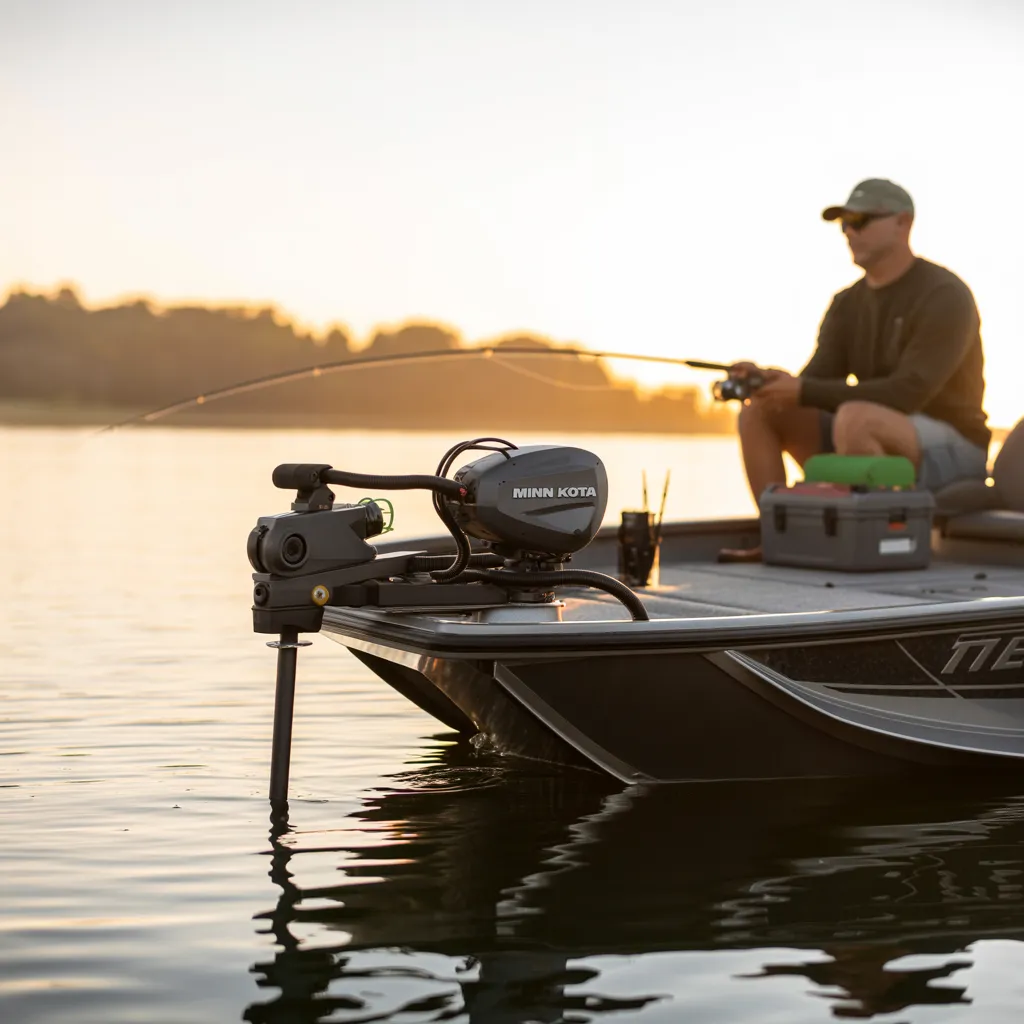
The Perks of Using Trolling Motors for Boating
Trolling motors deliver significant advantages for boat owners, particularly when accuracy and quiet operation are critical. These motors ensure a much quieter experience compared to conventional outboard motors, enabling boaters to move through sensitive areas without disrupting local wildlife. Their capability to hold a gradual, stable velocity is ideal for various activities, including discovering new locations and operating in narrow or restricted spaces.
Furthermore, trolling motors are commonly known for their energy efficiency, prolonging battery life throughout outings. This level of efficiency supports longer journeys without the demand for frequent recharging. Trolling motors offer remarkable versatility, enabling straightforward installation across a wide range of boats, from small fishing vessels to larger recreational craft.
Additionally, numerous options come built with state-of-the-art features such as autopilot capabilities and GPS navigation, improving total control. As a result, such motors not only enhance handling but also foster a highly enjoyable and environmentally friendly experience for boaters for boating enthusiasts.
How Trolling Motors Elevate Fishing Experiences
The perks of trolling motors reach further than general boating, considerably elevating fishing experiences. These motors give anglers exact management of their boat's speed and direction, permitting perfect positioning near fish-populated zones. The low-noise performance of trolling motors reduces disruptions to the water, improving the chances of drawing fish in that could otherwise be frightened by traditional engines.
Moreover, the ability to maintain a measured and deliberate pace enables fishermen to carry out various strategies, such as casting or slow trolling, with improved results. These motors also enable smoother navigation in tight spots, such as shallow coves or beneath submerged formations, which are typically some of the best fishing destinations. This adaptability enables anglers to navigate varied surroundings with ease and precision. In summary, the incorporation of trolling motors into fishing outings greatly enhances a notably efficient and pleasurable experience on the water.
Why Trolling Motors Are Beneficial for the Environment
While many boating enthusiasts prioritize performance and convenience, the environmental advantages of trolling motors are equally noteworthy. These electric motors function quietly and efficiently, reducing noise pollution that may disrupt aquatic life. Unlike traditional gas-powered engines, trolling motors generate no emissions, reducing harmful pollutants that contribute to water quality degradation.
In addition, their reduced energy consumption means that users can benefit from lengthened outings without depleting battery resources quickly. This effectiveness fosters a eco-friendly approach to boating, empowering enthusiasts to venture through nature without producing a notable carbon footprint.
Trolling motors further encourage responsible fishing practices by permitting anglers to move through fragile ecosystems without creating disturbance. Their gentle operation helps preserve fragile aquatic environments, guaranteeing that water bodies stay unspoiled for future generations. As trolling motors become more widely used among boaters, the cumulative effect can lead to healthier aquatic environments, establishing them as an attractive selection for environmentally conscious enthusiasts.
Essential Features to Consider When Choosing a Trolling Motor
When selecting a trolling motor, various essential features deserve careful evaluation. Engine power and thrust ratings define operational performance, while battery duration impacts your time spent fishing. Furthermore, the available shaft length choices can influence how well the motor performs across different fishing environments.
Engine Output and Thrust
Thrust and motor power are essential considerations when choosing a trolling motor, as they directly influence a boat's performance and maneuverability. Thrust, measured in pounds, determines how effectively a motor can move a boat through water and overcome current or wind resistance. As a rule, motors with greater thrust ratings offer improved control and handling, particularly for larger or heavier vessels. Additionally, motor power, typically indicated in horsepower or watts, affects the speed and efficiency of operation. Choosing the right balance between thrust and motor power guarantees peak performance tailored to specific boating needs, whether for fishing in calm waters or steering through challenging conditions. Understanding these parameters helps boaters enhance their overall experience on the water.
Battery Duration Considerations
Battery life factors play an essential role in determining the overall performance of a trolling motor, as they establish how long a boat can function without requiring a charge. When choosing a trolling motor, the kind of battery—be it lead-acid or lithium-ion—impacts both efficiency and lifespan. Lithium-ion batteries generally provide extended life cycles and reduced weight, enhancing maneuverability. Moreover, examining the amp-hour rating offers clarity on how long the trolling motor can run at various thrust levels. It is equally essential to consider the motor's efficiency and the boat's weight, as these factors influence battery consumption. Grasping these factors enables boaters to make well-informed choices, ensuring an uninterrupted and enjoyable experience on the water.
Shaft Length Varieties
Selecting the appropriate shaft length is critical for optimizing a trolling motor's effectiveness. The shaft length plays a key role in how well the motor functions in various water conditions. Generally, longer shafts are preferable for challenging or deeper water environments, as they make certain the propeller keeps submerged and preserves thrust. On the other hand, shorter shafts are well-suited for shallow waters, providing improved control and maneuverability.
When selecting a trolling motor, it is crucial to account for the boat's transom height and the projected water depth. A proper fit eliminates cavitation and boosts efficiency. Manufacturers commonly provide various lengths, typically spanning 30 to 60 inches, enabling users to select based on their individual boating requirements and circumstances. At the end of the day, the appropriate shaft length greatly enhances a smoother, more productive boating experience.
How to Maintain Your Trolling Motor
Maintaining a trolling motor is vital for maximum operation and lifespan. Regular inspection and cleaning, along with correct battery upkeep and storage methods, are key factors in ensuring its reliability. By implementing these principles, anglers can boost the durability and efficiency of their marine motors.
Routine Inspection And Cleaning
Routine inspection and maintenance of a trolling motor are critical for optimal performance and long-term durability. Over time, debris, algae, and corrosion can accumulate, negatively affecting the motor's efficiency. Scheduled checks ought to encompass assessing the propeller for wear and verifying that it turns without restriction. The motor's outer casing should be thoroughly cleaned to clear away any deposits, while the electrical connections need to be examined for rust or degradation. In addition, the shaft should be carefully maintained to ward off corrosion and promote uninterrupted performance. Following every trip, washing the motor with freshwater is highly recommended, particularly when operated in saltwater environments. By maintaining a regular inspection and cleaning schedule, boaters can enhance their trolling motor's reliability and extend its lifespan considerably.
Battery Care Guidelines
Proper battery maintenance is crucial for guaranteeing the lifespan and efficiency of a trolling motor. Routinely inspecting battery connections for corrosion is critical, as clean terminals facilitate optimal power transfer. It is best practice to keep the battery adequately charged, preventing full discharge, to maximize its longevity. Additionally, using a quality battery charger designed for the specific type of battery can prevent overcharging, which can lead to damage. Maintaining the battery's water levels is also important; distilled water should be added as needed for lead-acid batteries. Finally, storing batteries in a cool, dry environment can help prevent premature wear and degradation. Applying these maintenance practices will greatly enhance the consistent functionality of a trolling motor.
Correct Storage Methods
Appropriate storage habits are critical for extending the life of a trolling motor and maintaining peak performance. To promote long-term durability, it is essential to thoroughly clean the motor following every use, removing any debris and saltwater. For proper storage, it is best to place the motor in a dry, temperature-regulated area to protect against corrosion and deterioration. The propeller ought to be detached and kept separately to eliminate the risk of unintended engagement. Additionally, disconnecting the battery and storing it in a cool place can significantly reduce battery deterioration. Frequent examinations for signs of wear allow for early identification of possible concerns. By implementing these best practices, boaters can maintain their trolling motors, ensuring reliability complete info on future outings.
Electric vs. Gas Trolling Motors: Which One Is Right for You?
When choosing between gas and electric trolling motors, you may find yourself wondering which solution best suits their needs on the water. Electric trolling motors have a reputation for their silent performance and eco-friendly characteristics, making them well-suited for angling in calm waters where a quiet approach is critical. They are typically simpler to operate and maintain, as they demand nothing more than recharging the battery. However, their reach can be restricted by the available battery charge.
On the other hand, gas trolling motors offer more power and longer running times, making them well-suited for bigger boats or long-distance journeys. They are capable of managing harsher conditions and frequently deliver superior thrust. However, they do have disadvantages, such as noise, exhaust emissions, and more demanding maintenance needs.
Ultimately, the selection is based on the boat owner's specific needs, including the water type, outing duration, and individual preferences regarding environmental impact and maintenance.
Common Questions and Answers
Can Trolling Motors Be Installed on Any Kind of Boat?
Trolling motors can be used on many different boat styles, such as fishing boats, pontoon boats, and small crafts. That said, suitability is determined by the boat's size, weight, and intended use, demanding precise selection to achieve the best results.
How Fast Can a Trolling Motor Go?
Trolling motors generally achieve speeds of between 3 and 5 miles per hour, according to the model and type of boat. They prioritize quiet operation and precision over speed, making them well-suited for angling and casual recreational use.
Is a Special Battery Needed for Trolling Motors?
Trolling motors commonly demand deep-cycle power cells, built to handle continuous discharge. These batteries guarantee superior performance and durability, because they offer consistent power over extended periods, unlike ordinary batteries that tend to run out too fast.
Is Installing a Trolling Motor Simple?
Trolling motors are generally quite simple to install, based on the specific model and type of boat. Most models are packaged with easy-to-follow instructions, while some may require basic tools and a bit of mechanical skill for ideal setup.
What Is the Typical Lifespan of a Trolling Motor?
The standard lifespan of a trolling motor commonly ranges from 10 to 15 years, influenced by usage, maintenance, and environmental factors. Regular maintenance can substantially increase its longevity and performance in different on-water conditions.